Critical Minerals in Focus as Turkey Announces Major Rare Earth Discovery and Global Market Dynamics Shift
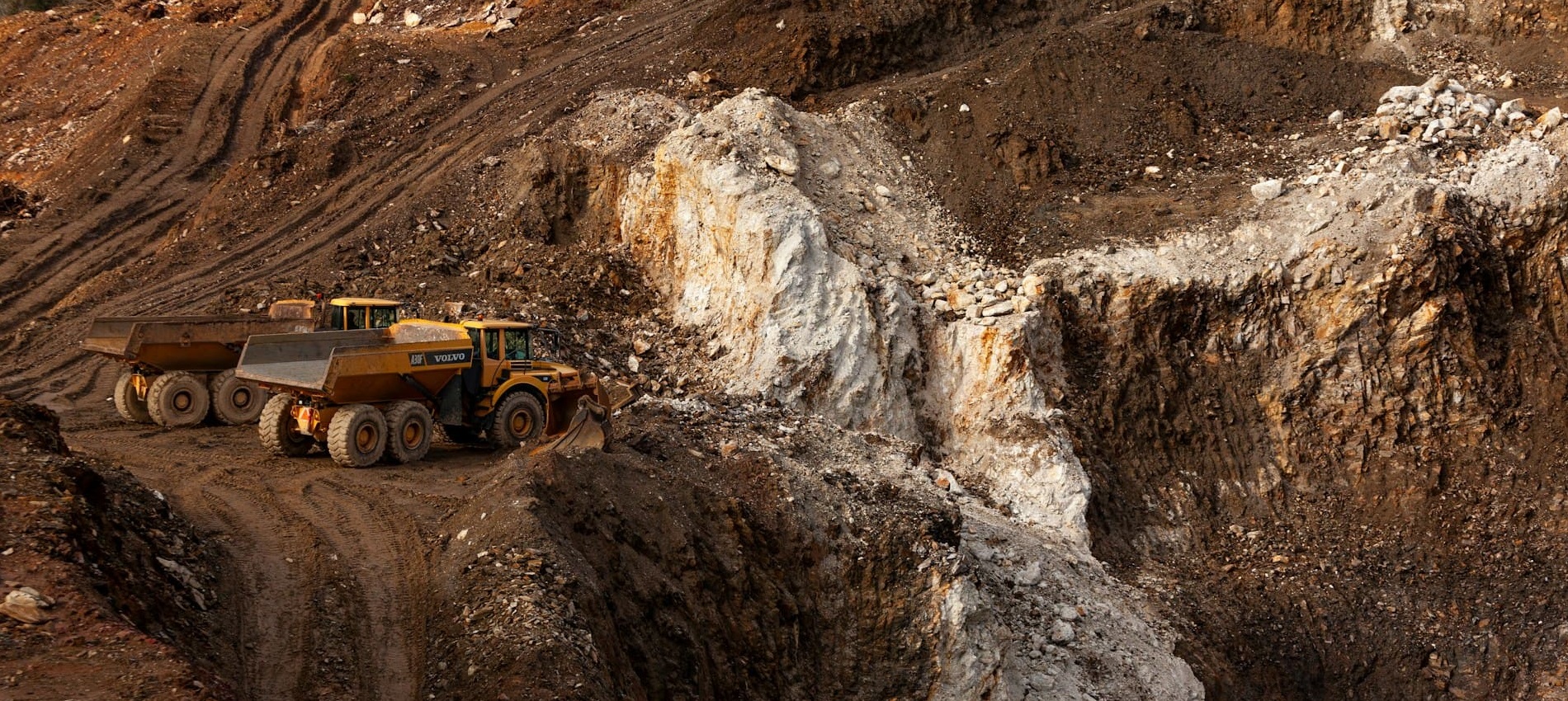
New investment strategies and geopolitical tensions reshape the mining sector.
Dateline: Istanbul, Türkiye – March 2024
The global mining industry is undergoing a significant transformation, driven by the energy transition, supply chain security concerns, and major regional discoveries. In Turkey, the spotlight has intensified following the announcement of a substantial rare earth element (REE) reserve in the Beylikova district of Eskişehir. According to the Turkish Energy and Natural Resources Ministry, the proven reserves have reached 1 billion tons of ore, containing 17 different rare earth elements. Officials state this could meet a significant portion of the world's demand for decades, positioning Turkey as a potential key player outside China's current dominance in the critical minerals market. Processing and beneficiation pilot plants are now operational, with full-scale production slated to begin within the next two years.
Globally, the race for critical minerals—essential for electric vehicle batteries, wind turbines, and defense technologies—continues to accelerate. The European Union's Critical Raw Materials Act, which recently came into force, sets ambitious benchmarks for domestic sourcing and recycling. Similarly, the United States continues to push its mining sector through incentives under the Inflation Reduction Act, focusing on domestic supply chains for lithium, cobalt, and nickel.
Meanwhile, market volatility persists. Lithium prices, after a sharp correction in 2023, have shown signs of stabilization but at levels that challenge new project economics. Copper remains a long-term bullish story, with analysts predicting a major deficit by 2025 due to limited new supply and soaring demand from electrification. Major miners like BHP and Rio Tinto are actively seeking copper acquisitions.
In Africa, a key mining frontier, developments are mixed. The Democratic Republic of Congo and Zambia are renegotiating terms for their copper-cobalt joint venture, seeking greater value from their resources. In Zimbabwe, the government has lifted a ban on lithium ore exports, focusing instead on incentivizing local battery-grade processing plants.
Geopolitical risks remain high. Ongoing conflicts and sanctions continue to disrupt traditional supply routes, while resource nationalism is on the rise in several Latin American countries. This environment is forcing mining giants to diversify their portfolios and invest heavily in stakeholder engagement and ESG (Environmental, Social, and Governance) metrics, which are now critical for securing financing and social license to operate.
Technology is another focal point. The industry is rapidly adopting AI and automation for exploration, predictive maintenance, and to improve safety. Digital twins of mines and autonomous haulage systems are becoming standard for major operators to boost efficiency and reduce carbon footprints.
Expert Quote:
"Turkey's rare earth discovery is a game-changer for regional supply chains," said Dr. Can Aydın, a mining economist at Istanbul University. "However, the real test will be establishing cost-effective and environmentally sustainable refining capacity to compete with established players. Globally, the sector's future is not just about finding ore but mastering the complex web of processing, partnerships, and policy."
Looking Ahead:
The coming months will be crucial for the sector. The industry awaits the outcome of major mining law reforms in Chile and Peru. Furthermore, the annual PDAC convention in Toronto and the World Mining Congress in Brisbane are expected to set the tone for investment and collaboration in 2024. All eyes are also on exploration results from junior miners in high-potential regions like Greenland and the Arabian Shield.