Plant-Based "Shrimp" Plastic Offers Sustainable Solution to Packaging Pollution
By Environmental Materials Desk | April 10, 2025
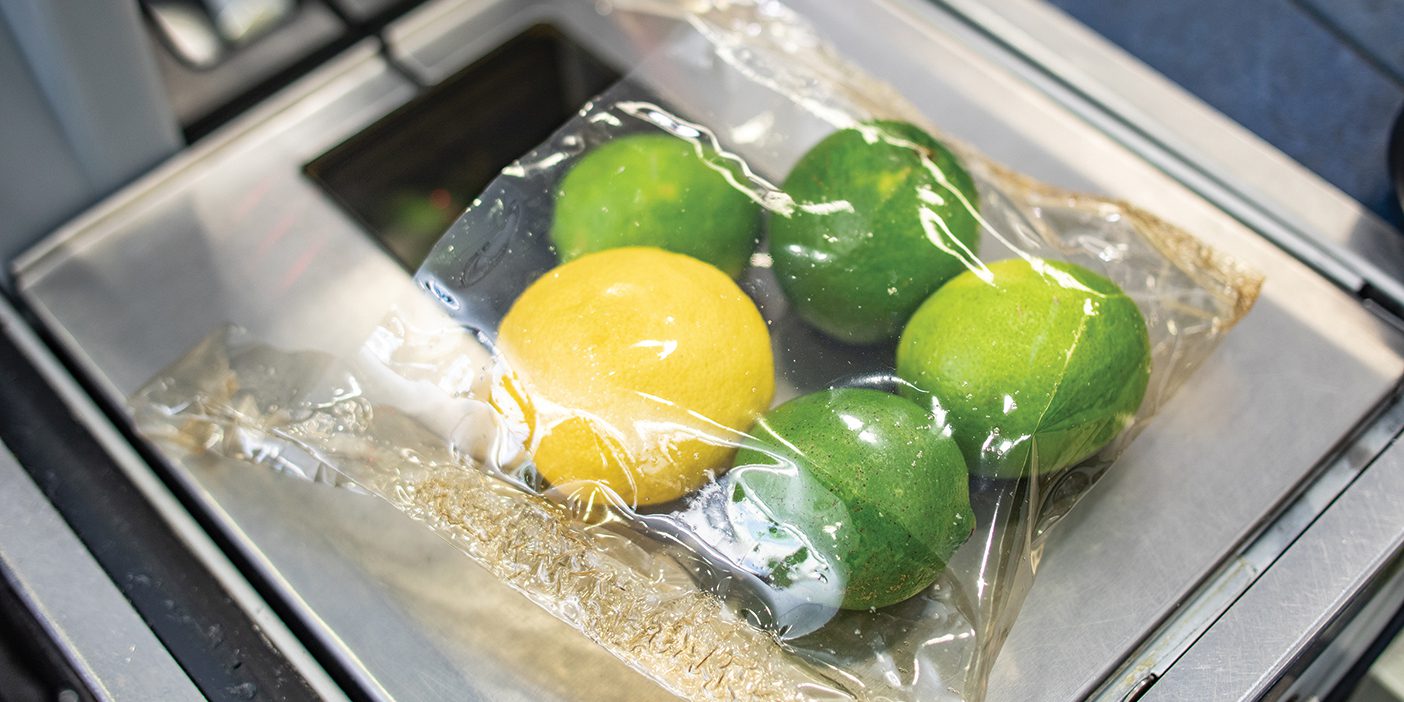
Researchers from Nanyang Technological University (NTU), Singapore, in collaboration with the Harvard T.H. Chan School of Public Health, have created a fully biodegradable, transparent plastic film derived from cellulose and chitin—the primary components in plants and shrimp shells. This novel material, which decomposes completely in soil within weeks, presents a viable and scalable alternative to petroleum-based plastics for food packaging and single-use items.
Turning Waste into Wonder Material
The innovation addresses two major environmental problems simultaneously: plastic pollution and seafood waste. The research team developed a cost-effective chemical process to extract and purify chitin from discarded shrimp shells, which are typically treated as landfill waste. This chitin is then combined with plant-derived cellulose fibers at the nanoscale level.
Through a proprietary method, the team bonds these two natural polymers into a strong, flexible, and crystal-clear film. "The magic is in the molecular interaction," explains lead researcher Professor Ng Mei Lin. "We've engineered the chitin and cellulose to form a dense, cohesive network that mimics the structure of high-grade plastic wrap, but with one crucial difference—it has a built-in expiration date for the environment."
Performance and Decomposition
In laboratory tests, the material demonstrated performance on par with conventional low-density polyethylene (LDPE) plastic in terms of strength, flexibility, and crucially, its ability to act as a barrier against oxygen and moisture, which is essential for keeping food fresh.
Its defining feature, however, is its end-of-life cycle. When discarded in a natural soil environment containing microbes, the film begins to break down within two weeks and completely decomposes within a month, leaving no toxic residues. The decomposition rate can be finely tuned during manufacturing by adjusting the material's thickness and exact composition.
"Unlike many so-called biodegradable plastics that require specific industrial composting facilities, this material breaks down in a natural environment," clarifies Dr. Benjamin Wood from Harvard, a co-author on the study. "It returns to the carbon cycle as nutrient-rich organic matter, effectively closing the loop."
Commercial Pathway and Impact
The research has attracted immediate commercial interest, particularly from the food and beverage industry, which is under increasing regulatory and consumer pressure to find sustainable packaging. A major Southeast Asian seafood processor has already partnered with the team to pilot the technology, aiming to use waste from its own operations to package its products.
The economic potential is significant. The raw materials (agricultural and seafood waste) are abundant and low-cost. The manufacturing process is designed to be adaptable to existing roll-to-roll film production lines, easing the transition for manufacturers.
While the initial target is premium food packaging and carrier bags, the researchers see broader applications in agricultural mulch films and disposable items in healthcare. The next phase involves large-scale pilot production and rigorous testing for various international food safety certifications.
"This isn't just a new material; it's a new model," concludes Prof. Ng. "It shows we can build our modern world using materials designed from the start to have a harmonious beginning and end within our ecosystem."