THE "GREEN" REVOLUTION: GLOBAL ALUMINUM INDUSTRY REPORT 2026
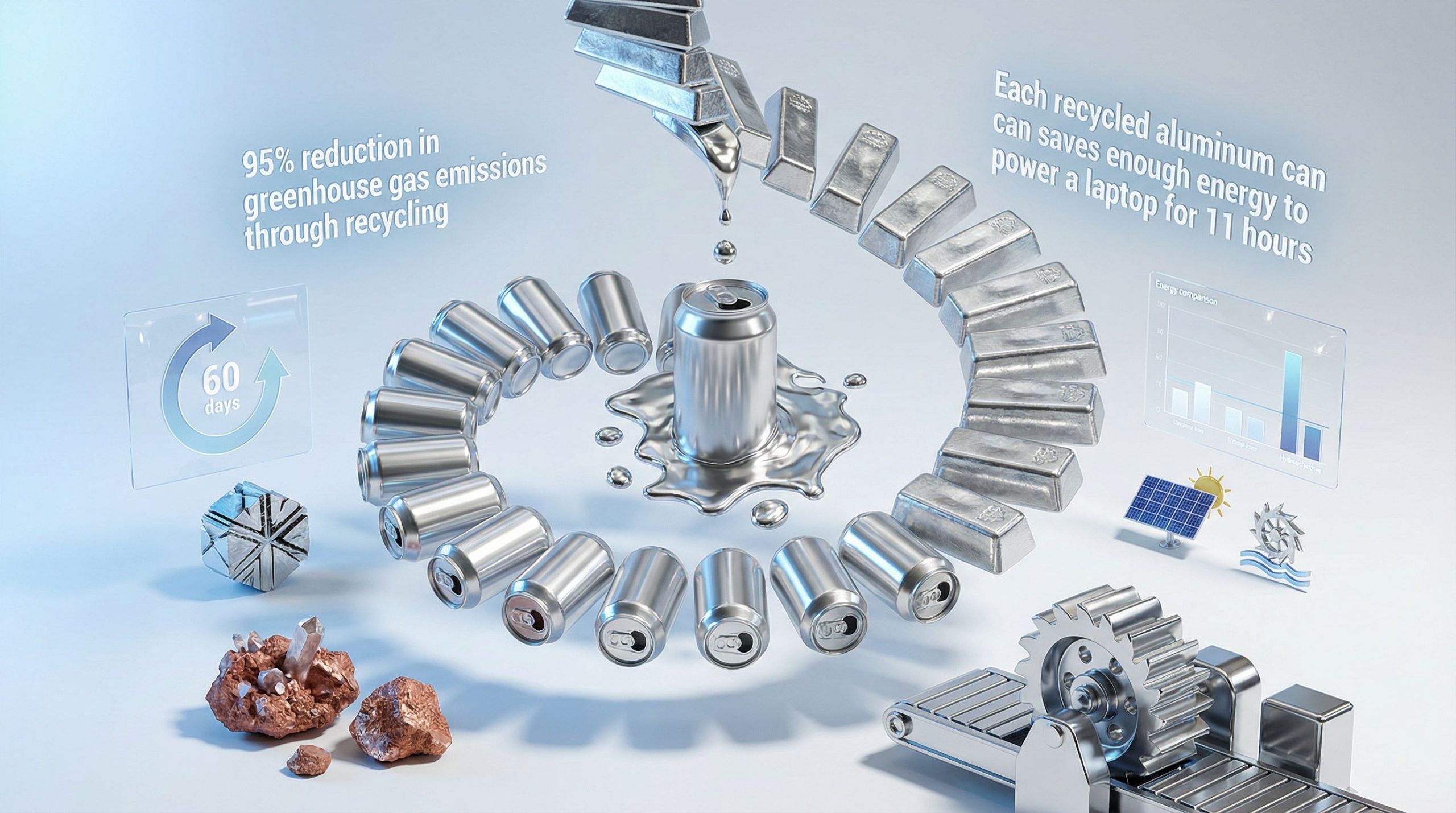
LONDON / ISTANBUL – As of the first quarter of 2026, the global aluminum sector is undergoing its most significant transformation in decades. Driven by stringent climate regulations, the surge in Electric Vehicle (EV) production, and a shift toward circular economy models, the industry is redefining its value proposition from a simple commodity to a strategic "green" asset.
1. The Supremacy of "Green Aluminum"
The full implementation of the Carbon Border Adjustment Mechanism (CBAM) has fundamentally altered global trade flows. Low-carbon aluminum—produced using hydropower, solar, or hydrogen—is no longer a niche product but a market requirement. Producers who failed to decarbonize their energy mix are now facing heavy carbon taxes, while "Green Aluminum" is trading at a significant premium on global exchanges.
2. Automotive and Aerospace: The Growth Engines
The transportation sector remains the primary catalyst for demand. As the transition to EVs nears a tipping point, aluminum consumption per vehicle has hit record highs.
- Battery Enclosures: New high-strength, thermal-conductive alloys are being integrated to improve battery safety and range.
- Aerospace Recovery: With global air travel exceeding pre-pandemic levels, the demand for 2000 and 7000 series alloys has surged by 14% year-over-year, leading to a tightening of the supply chain for specialized extrusions.
3. Circular Economy and Scrap Integration
2026 marks a turning point for secondary production. For the first time, recycled aluminum accounts for nearly 42% of the total global supply. Major industry players are investing heavily in "Closed-Loop Recycling" systems, where scrap from manufacturing plants is immediately returned to the smelter, reducing energy consumption by up to 95% compared to primary production.
4. Market Analysis and LME Trends
The London Metal Exchange (LME) has reported a volatile start to the year. While energy prices have stabilized compared to the shocks of previous years, geopolitical tensions in key shipping routes have kept freight costs elevated. Analysts predict that aluminum prices will remain in a "bullish" trend as global inventories sit at historically low levels.